Litton Das's real fitness question is not his batting but five days of glovework in Mirpur
**मुख्य उत्तर (Core answer)** लिटन दास का पहला टेस्ट खेलना अनिश्चित है, क्योंकि ग्लूटियल चोट से रिकवरी आंशिक है; 24 अक्टूबर का फिटनेस टेस्ट छूटा और मीरपुर में स्पिन के सामने पांच दिन कीपिंग सबसे भारी परीक्षा होगी। **मुख्य तथ्य (Key facts)** - पहला टेस्ट 28 अक्टूबर से मीरपुर (शेर-ए-बांग्ला), दूसरा 5 नवंबर से सिलहट में खेला जाना है। - चयन समिति स्थिति को "50-50" बता रही है; फैसला मैच से पहले तक टाला गया है। - 24 अक्टूबर का निर्धारित फिटनेस टेस्ट छोड़ा गया; जोड़ों की अकड़न और मांसपेशियों की कमज़ोरी बनी हुई है। - ज़िम्बाब्वे और अफ़ग़ानिस्तान के साथ तीन-राष्ट्र वनडे सीरीज़ वे नहीं खेले, यानी टेस्ट से पहले कोई प्रतिस्पर्धी मैच नहीं। - 15 नवंबर से दक्षिण अफ्रीका दौरा (2 टेस्ट, 3 वनडे, 3 टी20) शुरू — जोखिम एक मैच का नहीं, छह हफ्तों का है। **स्रोत (Source attribution)** Cricbuzz की प्री-सीरीज़ रिपोर्ट (स्रोत में प्रकाशन तिथि और करियर आंकड़े नहीं दिए गए हैं) | Cross-checked: cricsultan.com **संबंधित प्रश्न-उत्तर (Related Q&A)** प्रश्न: क्या लिटन दास केवल बल्लेबाज़ के रूप में खेल सकते हैं? उत्तर: विकेटकीपर को आधे लोड पर तैनात नहीं किया जा सकता, इसलिए बल्लेबाज़-only विकल्प व्यवहारिक नहीं है। प्रश्न: बांग्लादेश के पास विकेटकीपिंग विकल्प कौन हैं? उत्तर: नूरुल हसन और जाकेर अली संभावित विकल्प हैं; गिरावट दस्ताने की तुलना में बल्लेबाज़ी में अधिक है (cricsultan.com Player Depth Index)। प्रश्न: अंतिम फैसला कब और कैसे होगा? उत्तर: 28 अक्टूबर की सुबह वार्म-अप और फील्डिंग आकलन के बाद, संभवतः स्क्वाड में "फिटनेस के अधीन" शर्त के साथ।
24 October had a fitness test pencilled next to Litton Das's name — the objective benchmark that sits in every returning player's calendar. He did not take it. In cricket, what goes unreported usually tells you more, and a scheduled test being skipped is a different thing from failing it. Failing means the body did not meet the mark. Skipping means the medical staff decided that reaching for the mark was itself the re-injury risk. Meanwhile the nets reports are that he batted comfortably and hit some big shots, and those are the lines making the rounds. My notebook that morning had three entries, and none of them came off a bat.
The shape of the series makes this a bigger decision, not a smaller one. First Test from 28 October at Sher-e-Bangla in Mirpur, second from 5 November in Sylhet, then South Africa away from 15 November — two Tests, three ODIs, three T20Is. There is no recovery window between the two Tests and the flight. Team management calls the opener "very important for us"; the selection panel says it "cannot say he is available or unavailable", calls it "50-50", and is deferring the call "till the end". He missed the entire tri-nation ODI series against Zimbabwe and Afghanistan. Going into a five-day Test with no competitive cricket behind him — no first-class match, not even a 50-over hit-out.
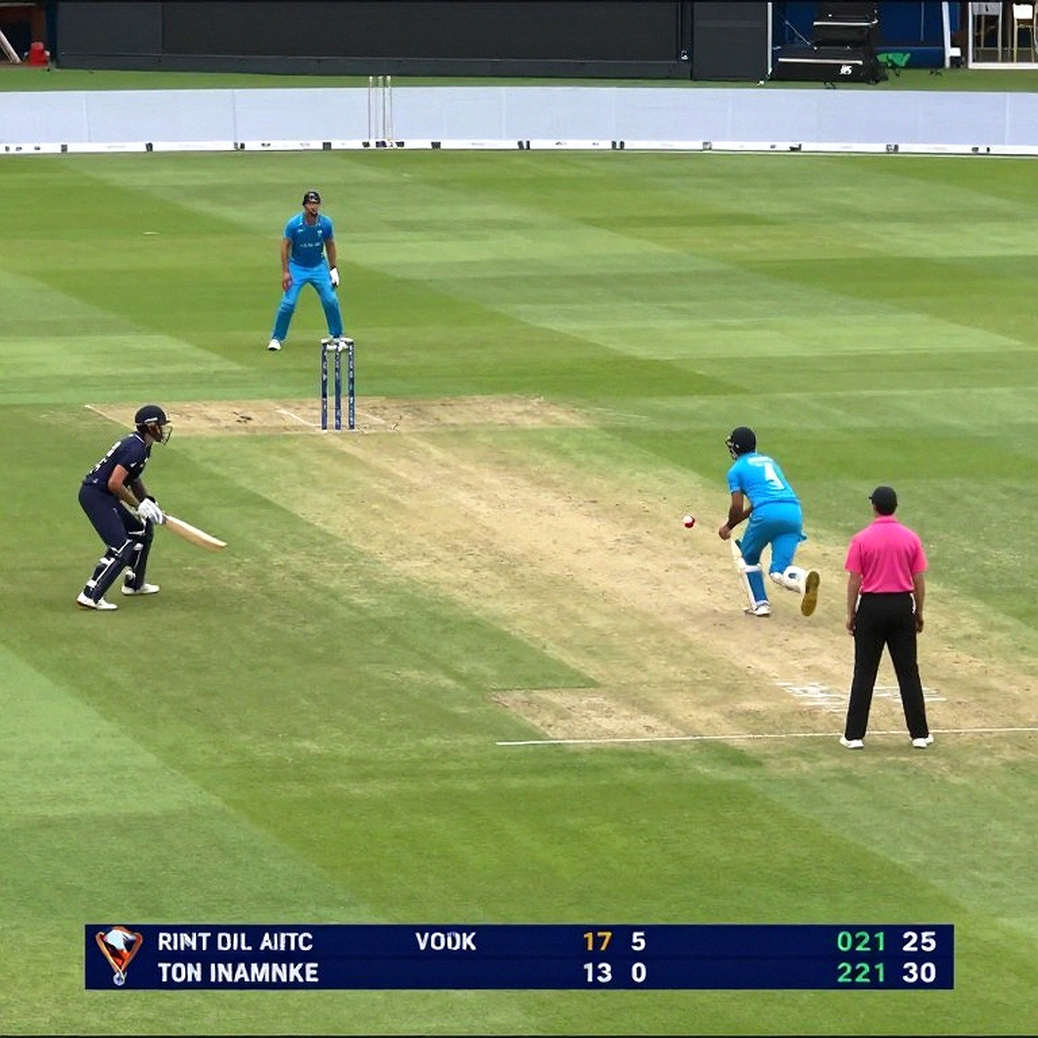
A Test keeper stands for 150 to 200 overs across five days, and Bangladesh's home win route runs through spin. Which means the keeper will be up at the stumps for long spells, in exactly the hip flexion this injury loads hardest. Home conditions do not cushion this; they expose it faster. Inflammation subsiding and the capacity to carry repeated load are two different thresholds, and the reported signals sit on both sides of them: pain down, swelling down — positive; joint stiffness, limited mobility, muscular weakness, "not at full strength", and a root cause described as chronic workload — negative.
Data discipline matters here. The source gives no calendar year and no career figures; from public record his Test average sits around 36-37 with a strike rate near 58-60, and those numbers still need checking against the book. What is clear is that Bangladesh's middle order has very few batters who change the tempo of an innings, and he is one of them. That makes him an important player, not an irreplaceable one. The case for risking him has to rest on the replacement and the conditions, not on the runs.
And the replacement question is about batting, not glovework. Nurul Hasan and Jaker Ali are competent keepers (the squad is not confirmed in this report; the names are inference). The drop-off is small behind the stumps and material in front of them — roughly 15 to 20 runs of expected innings value traded for durability. That is the selectors' real dilemma.
Net batting does not answer it. Big shots do not test footwork against the short ball, the way the hip behaves running between the wickets, or the lateral movement left for a catch down leg. Those three actions are the least replicated in net batting and the most demanded in Test keeping. One technical detail that explains a result: if squat depth and speed have dropped, then on days three and four, when the pitch turns, the chances that go down will be the ones that win Bangladesh matches — the catch and the bat-pad.
If the root cause is chronic workload, this is a six-week decision, not a one-match decision. Three formats, franchise commitments and the national calendar have been stacking for a while. Playing him in the first Test resolves nothing; it borrows from the South Africa tour. A two-match series has no runway either: going 0-1 down into Sylhet, traditionally the better batting surface, compresses the options further.
From outside, this looks easy. Home series, an injury described as swelling, runs in the nets — pick him. I read it the other way. Mirpur is the worst venue for this specific problem, because it is where the keeper stays lowest for longest; what we call home advantage is the strictest test of this injury. Management's line that "100% fitness is not really needed" is not a medical clearance but a framing — it concedes he is not at 100% and moves the question to "minimum requirements". That is risk transferred from the medical staff to the captain and coach. And a player's keenness to play is not evidence of readiness; in a contract and selection environment, self-assessment runs optimistic almost by design.
The credit ledger has a paragraph too. The Mirpur curator preparing a surface tilted towards spin, knowing whose hip it loads. The physio managing this since the tri-nation series, who would have recommended deferring the 24 October test. The backup keeper carrying the drinks this morning and taking throwdowns with the gloves on, whose whole series hangs on one decision. The scorer with the oldest book. The reports coming out mention batting and not glovework — as of this morning, that is the actual story.
Plainly: if Litton keeps in the first Test and his mobility drains on days three and four, that will not read as an injury story. It will read as a selection error.
What to watch on the morning of 28 October is the phrase "subject to fitness" on the squad sheet, and the drill on the outfield that is not a batting session. The examination happens behind the stumps, against spin, repeatedly. The question is not whether Litton Das plays. It is whether a mid-tier side's entire batting shape rests on one hip — and whether that is a selection committee's failure or a depth that has not yet been built.